Badger Website
European Badger ( Meles meles )
Continent
Europe
Description
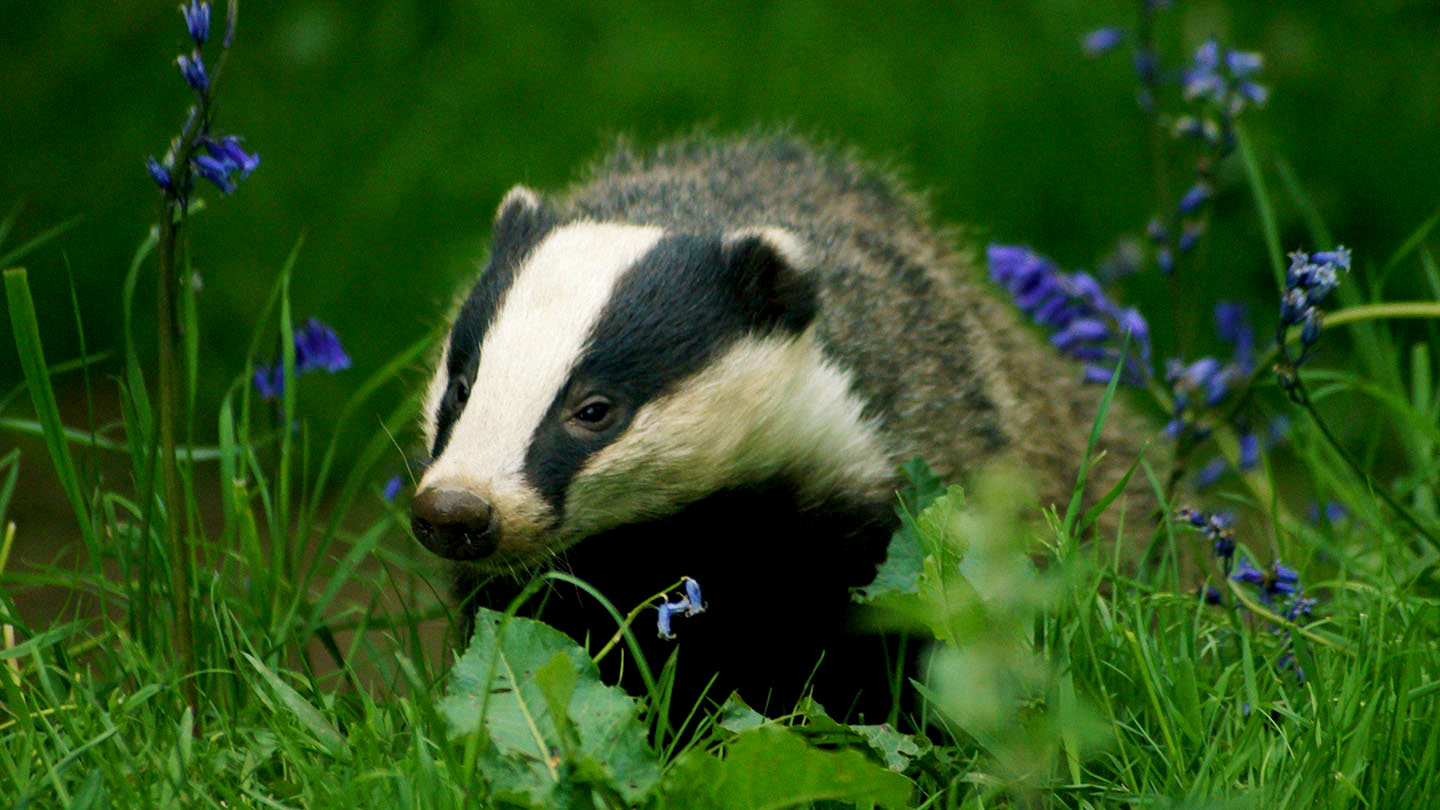
The European badger, a charismatic member of the mustelid family, is a widespread and familiar sight across much of Europe. Recognizable by its distinct facial markings – bold black and white stripes – and robust build, this nocturnal creature plays a vital ecological role.
Adults typically weigh between 7-12kg (15-26lbs) and measure 50-75cm (20-30in) in length, with a stocky body and short, powerful legs adapted for digging. Their coarse fur is predominantly grey, with the striking facial pattern being the most defining feature. They inhabit a diverse range of habitats, including woodlands, grasslands, farmlands, and even suburban areas, provided sufficient cover for their setts (burrows). They demonstrably prefer mixed woodland with dense undergrowth, and good foraging opportunities.
European badgers are primarily nocturnal, spending their days resting within their extensive sett systems. These setts aren't just simple holes; they are complex networks of tunnels and chambers that can be occupied by multiple generations of badgers, forming social groups called clans. While often solitary foragers, badgers display cooperative behavior within the clan, sharing the maintenance and defense of the sett.
Their diet is powerfully omnivorous. Earthworms constitute a substantial portion (around 30%), but they also consume insects, rodents, rabbits, birds, eggs, fruits, roots, and even carrion. They are skilled diggers, using their strong claws to excavate prey from the ground. They will also raid beehives for honey – although they are not as relentlessly focused on it as their honey badger cousins.
The European badger is currently listed as "Least Concern" by the IUCN, having recovered from past declines due to hunting and habitat loss. However, they continue to face threats: habitat fragmentation, road mortality, persecution (often due to perceived conflict with farming), and disease (particularly bovine tuberculosis in some areas) are significant concerns. Badger culling, implemented in some regions to control the spread of bovine TB to cattle, remains a controversial conservation issue.
Badgers can enter a state of torpor during particularly cold periods, reducing their metabolic rate and conserving energy, though it's not true hibernation. Their setts are often generations old, continually expanded and modified by successive badger clans.